
ChatGPT vs Claude vs Gemini: Which AI Is Best for Business? (2026)
TL;DR
This GeekyExpert research report compares ChatGPT (OpenAI), Claude (Anthropic), and Gemini (Google) across the dimensions that matter most for business teams in 2026 — writing quality, coding, research and analysis, context window, integrations, privacy, and pricing. All three platforms cost $20/month at the pro tier, so the decision should be based entirely on capability fit, not cost.
The verdict: Claude leads on writing quality, instruction-following, and document processing. ChatGPT wins on ecosystem breadth, plugin integrations, and voice mode. Gemini dominates for Google Workspace-native teams and multimodal tasks. Most business teams will benefit from using two of the three rather than picking just one.
Three platforms now define the enterprise AI market. OpenAI's ChatGPT (GPT-5.4), Anthropic's Claude (Sonnet 4.6 / Opus 4.6), and Google's Gemini (3.1 Pro) each serve different workflows — and the right choice depends entirely on what your team actually needs to get done. This report cuts through the marketing noise and evaluates each platform on real business use cases, documented by independent testing and enterprise adoption data.
Head-to-Head Comparison
Pricing (All Tiers)
At the consumer level, pricing is identical across all three at $20/month for the Pro/Plus tier. Teams pricing varies: ChatGPT Teams is $25/user/month, Claude offers custom enterprise pricing, and Gemini is a Google Workspace add-on. Cost should not drive the decision.
Context Window
Gemini 3.1 Pro leads with 1,000,000 tokens — processing entire codebases, lengthy contracts, or full research reports with ease. Claude Sonnet 4.6 offers 200,000 tokens, strong for most business documents. ChatGPT (GPT-5.4) provides 128,000 tokens, covering the majority of use cases but constraining very long document workflows.
Writing Quality
Claude consistently produces the most natural, human-sounding prose with the best instruction-following precision. ChatGPT delivers solid, versatile output but can feel formulaic. Gemini's writing quality trails both competitors for professional content but excels at structured data tasks.
Coding Capability
Claude leads on Terminal-Bench (65.4) and powers Cursor, Windsurf, and other developer tools through Claude Code. ChatGPT's o-series reasoning models excel at complex multi-step logical problems. Gemini is competitive but less dominant in this category.
Integration Ecosystem
ChatGPT has the largest integration ecosystem — 40+ native integrations including Salesforce, HubSpot, Slack, and Zapier. Gemini is natively embedded in Google Workspace. Claude's integration ecosystem is smaller but growing rapidly through Claude Code and Cowork.
Featured AI Platforms & Business Tools
ChatGPT (GPT-5.4) — Best All-Rounder
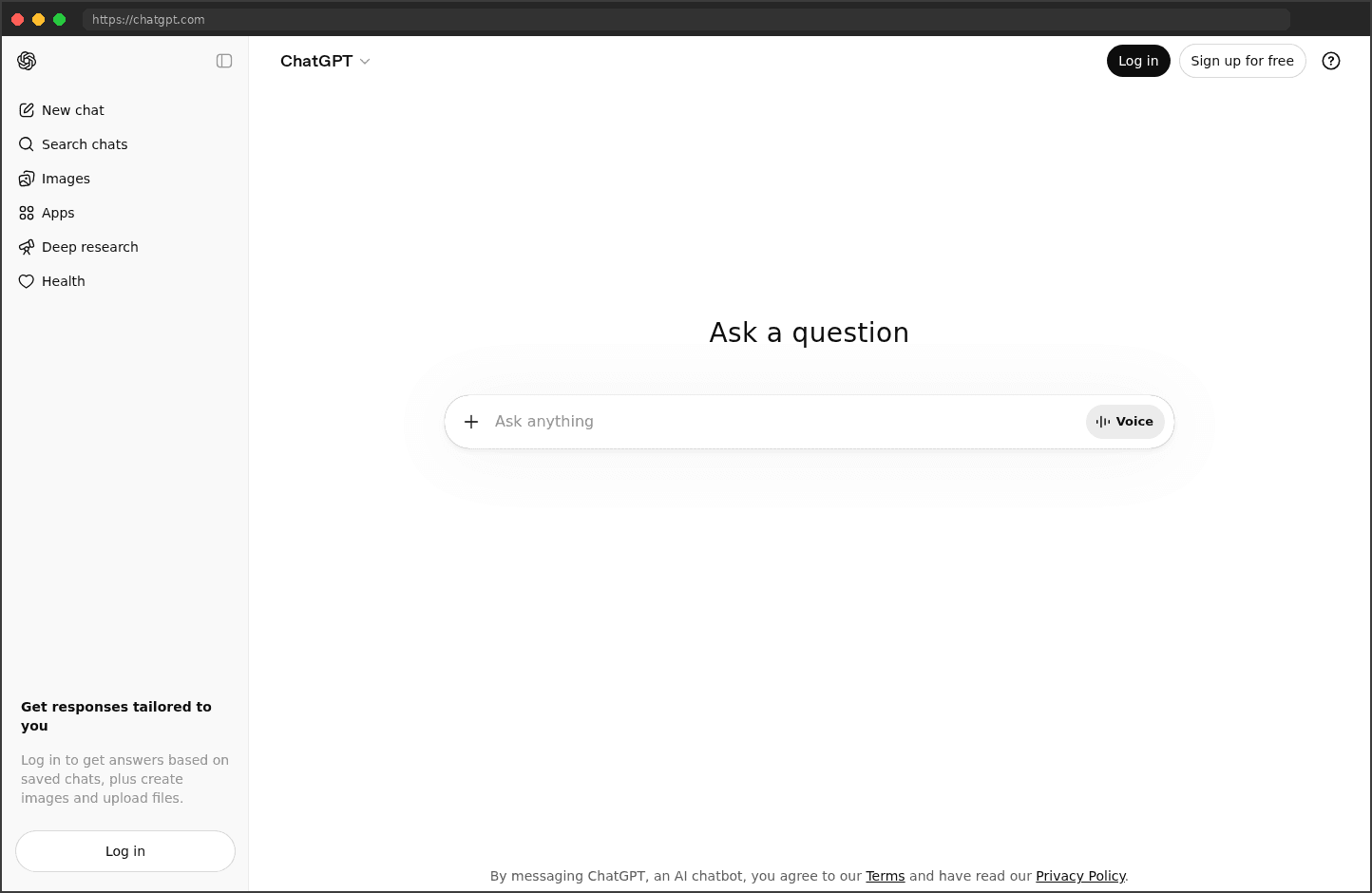
ChatGPT remains the most widely recognised and broadly capable AI assistant. Its strength is not dominance in any single category — it is genuine competence across virtually every task, combined with the largest ecosystem of integrations, plugins, and third-party tools in the market.
Key Features
GPT-5.4 handles text, images, audio, and code in a single interface. Built-in tools: web search, code interpreter, DALL-E image generation, file analysis. Voice Mode — the most natural conversational AI experience of the three platforms. Agent mode (Operator) for autonomous browsing and task completion. Largest plugin and GPT Store ecosystem — 40+ native integrations. 128K token context window.
Strengths
Best all-around versatility for teams that need one tool to handle many different task types. Voice Mode quality is unmatched — genuinely useful for brainstorming and language practice. Strongest reasoning models (o-series) for complex multi-step logical problems. Deepest integration ecosystem — Salesforce, HubSpot, Slack, Zapier, and hundreds more.
Weaknesses
Writing output can feel formulaic and requires more editing for brand-specific voice. Instruction-following on long, multi-part prompts can drift more than Claude. 128K context window is limiting for large document workflows.
Best for: Teams that need versatility across writing, coding, analysis, and voice; sales and operations teams heavily embedded in tool ecosystems; anyone who wants one tool to handle everything reasonably well.
Claude (Sonnet 4.6 / Opus 4.6) — Best for Writing and Documents
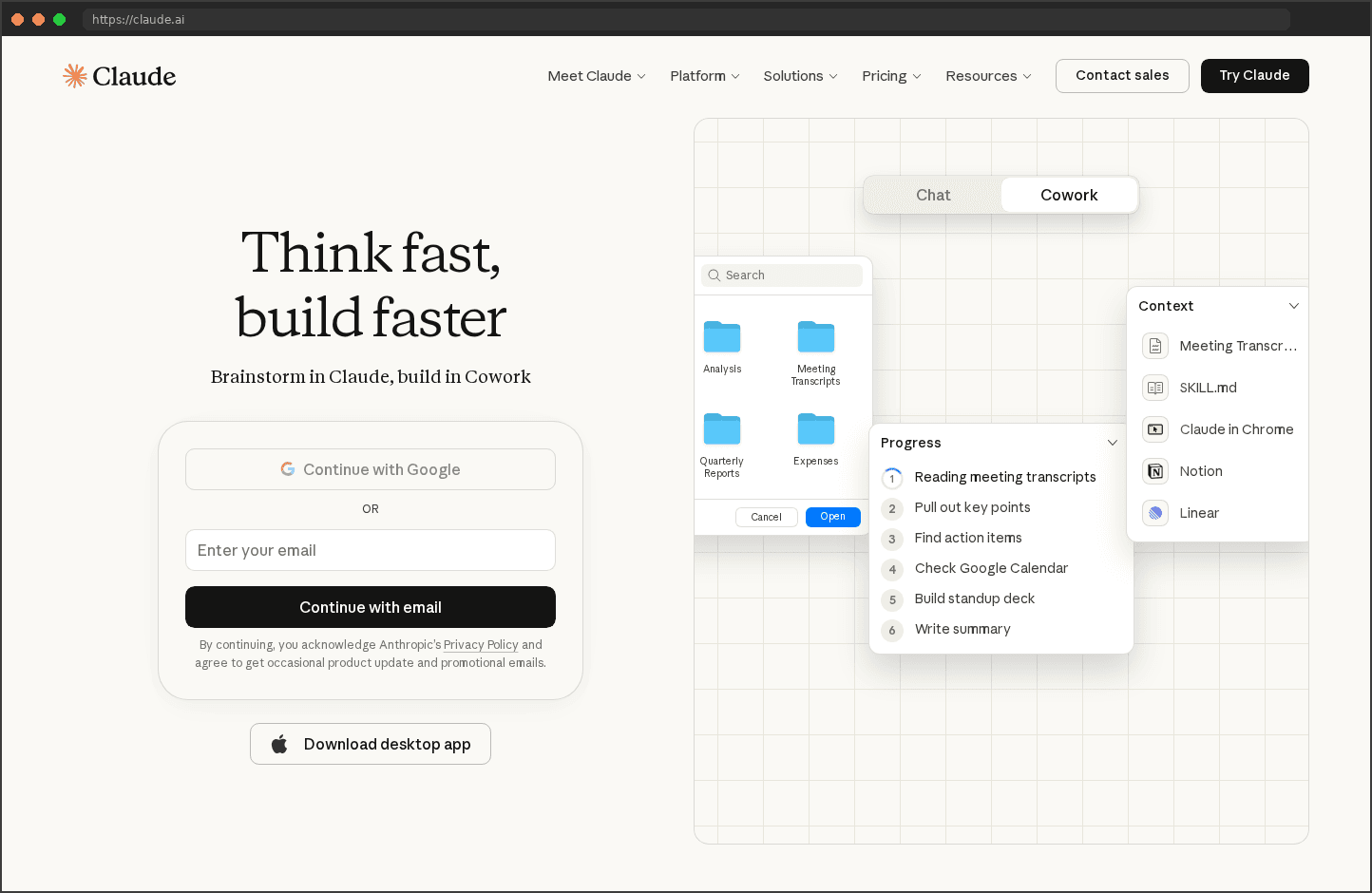
Claude has built its strongest reputation among professional writers, legal teams, consultants, and anyone who works with large, complex documents. Its instruction-following is the most precise of the three — it rarely drifts on long prompts and consistently produces the most human-sounding prose.
Key Features
200K token context window — processes full contracts, RFPs, research reports. Leads on writing quality: most natural prose, best instruction-following, best brand voice consistency. Claude Code (agentic coding in terminal) — powers Cursor, Windsurf, and other developer tools. Cowork desktop agent — browses web and handles file operations on your desktop. Strong long-document analysis: paste full documents, get structured analysis. Highest-rated for complex reasoning and multi-step problem-solving on code/specialist benchmarks (Terminal-Bench 65.4).
Strengths
Writing quality consistently rated best — produces tighter, less "AI-sounding" output than competitors. Instruction-following is the most reliable — follows detailed, multi-constraint prompts precisely. 200K context window handles most business document use cases without truncation. Best for professional writing tasks: proposals, reports, marketing copy, documentation.
Weaknesses
No voice mode. Smaller integration ecosystem than ChatGPT. Daily usage limits on Pro tier hit more quickly than ChatGPT or Gemini.
Best for: Content creators, writers, and marketers; legal and compliance teams; consultants working with complex documents; developers using Claude Code; anyone where writing quality and instruction precision are the primary criteria.
Gemini (3.1 Pro) — Best for Google Workspace and Multimodal
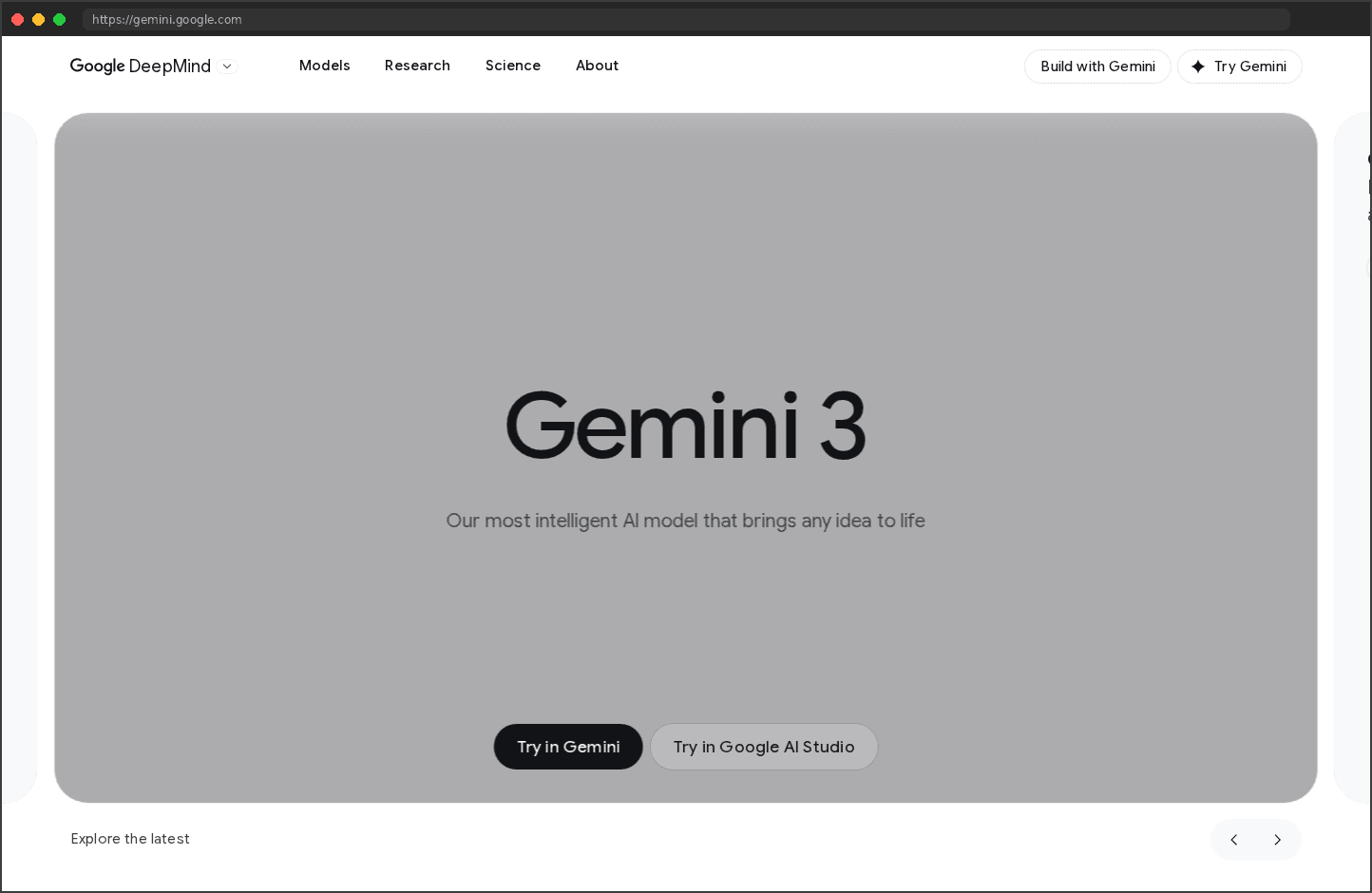
Gemini's differentiation in 2026 is its 1M token context window, native Google Workspace integration, and multimodal capabilities that outperform both competitors on video and audio analysis tasks.
Key Features
1,000,000 token context window — processes entire codebases, lengthy reports, large datasets. Native integration with Gmail, Docs, Sheets, Drive, Meet, and Calendar. Leading multimodal capabilities: video analysis, audio analysis, image understanding. Fastest response time of the three platforms. Competitive free tier with substantial capability. Deep Google ecosystem connectivity.
Strengths
For teams already in Google Workspace, Gemini eliminates tool-switching entirely. 1M context window is unmatched for processing large documents or codebases. Multimodal is best-in-class — video and audio analysis capabilities that ChatGPT and Claude cannot match. Free tier is more capable than ChatGPT or Claude's equivalent tier.
Weaknesses
Writing quality and voice consistency trail Claude. Complex reasoning is strong but less reliable than Claude on multi-step technical problems. Less strong outside the Google ecosystem.
Best for: Google Workspace-native teams; data analysts working with large datasets; teams that need video or audio analysis; anyone who wants the best free tier before committing to a paid plan.
Perplexity AI — Best for Research
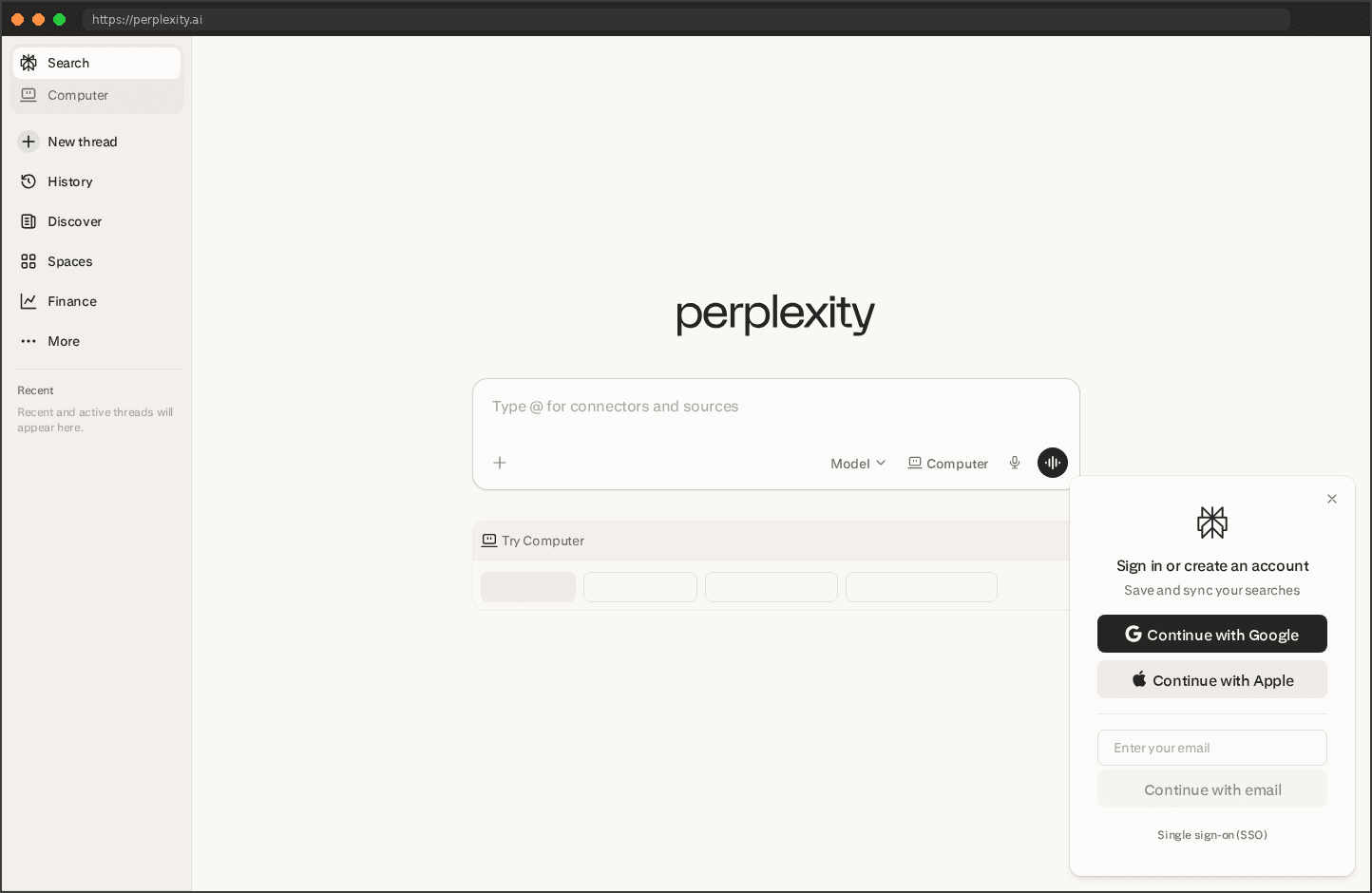
While not strictly in the ChatGPT/Claude/Gemini category, Perplexity deserves inclusion in any business AI platform comparison for its unique position as the leading AI search engine — processing 200M+ queries per week with real-time web access and precise source citation.
Key Features
Real-time web search with inline source citations on every response. Spaces for collaborative research workspaces. Deep Research mode for comprehensive multi-source reports. Fastest-growing AI platform — 25% growth every 4 months.
Strengths
The only platform that cites every claim with a verifiable source URL. Deep Research mode produces comprehensive, multi-source reports that rival analyst output. Growing faster than any competitor in the AI search category.
Weaknesses
Not designed for content creation or coding — focused purely on research and information retrieval. Limited document processing compared to Claude or Gemini.
Best for: Research-heavy workflows, competitive intelligence, fact-checking, and anyone who needs cited, verifiable answers rather than synthesised prose.
Microsoft Copilot — Best for Microsoft 365 Teams
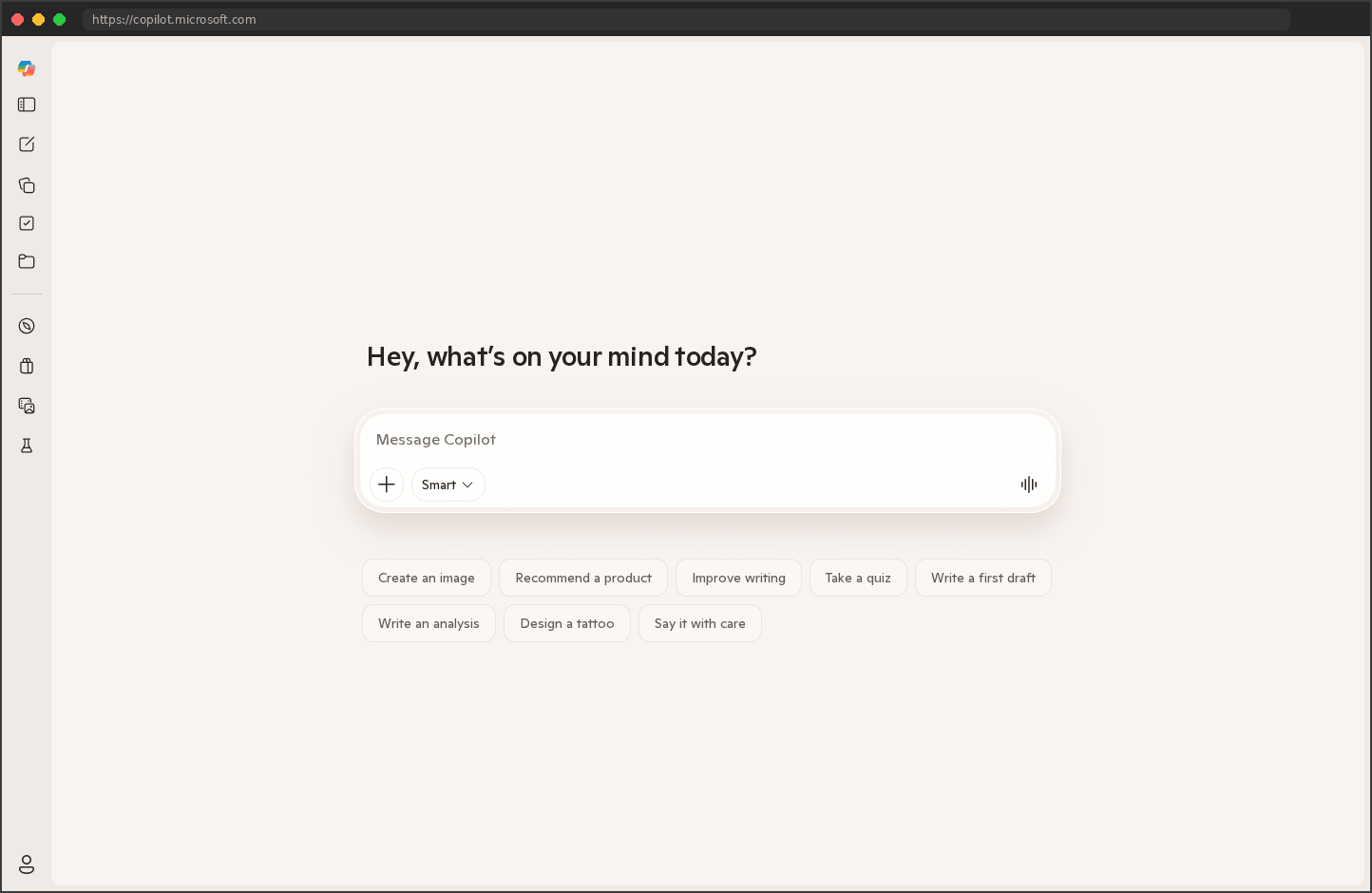
Microsoft Copilot is the enterprise AI suite embedded directly into Microsoft 365 — Word, Excel, PowerPoint, Teams, and Outlook — making it the natural choice for organisations already paying for Microsoft 365 Business or Enterprise licences.
Key Features
Native integration across the full Microsoft 365 suite. PowerPoint deck generation from documents or outlines. Excel data analysis and formula writing. Teams meeting summarisation and follow-up drafting. Enterprise security aligned with Microsoft's existing compliance infrastructure.
Strengths
Zero tool-switching for Microsoft 365-native teams. Enterprise security and compliance built on Microsoft's existing infrastructure. Meeting summarisation and follow-up drafting in Teams is genuinely time-saving.
Weaknesses
AI capability lags behind ChatGPT and Claude on writing quality and reasoning. Locked to the Microsoft ecosystem. Pricing requires Microsoft 365 licence as a prerequisite.
Best for: Enterprise teams deeply embedded in Microsoft 365 who want AI to work where they already are, without switching tools.
DeepSeek — Best for Cost-Sensitive Technical Teams
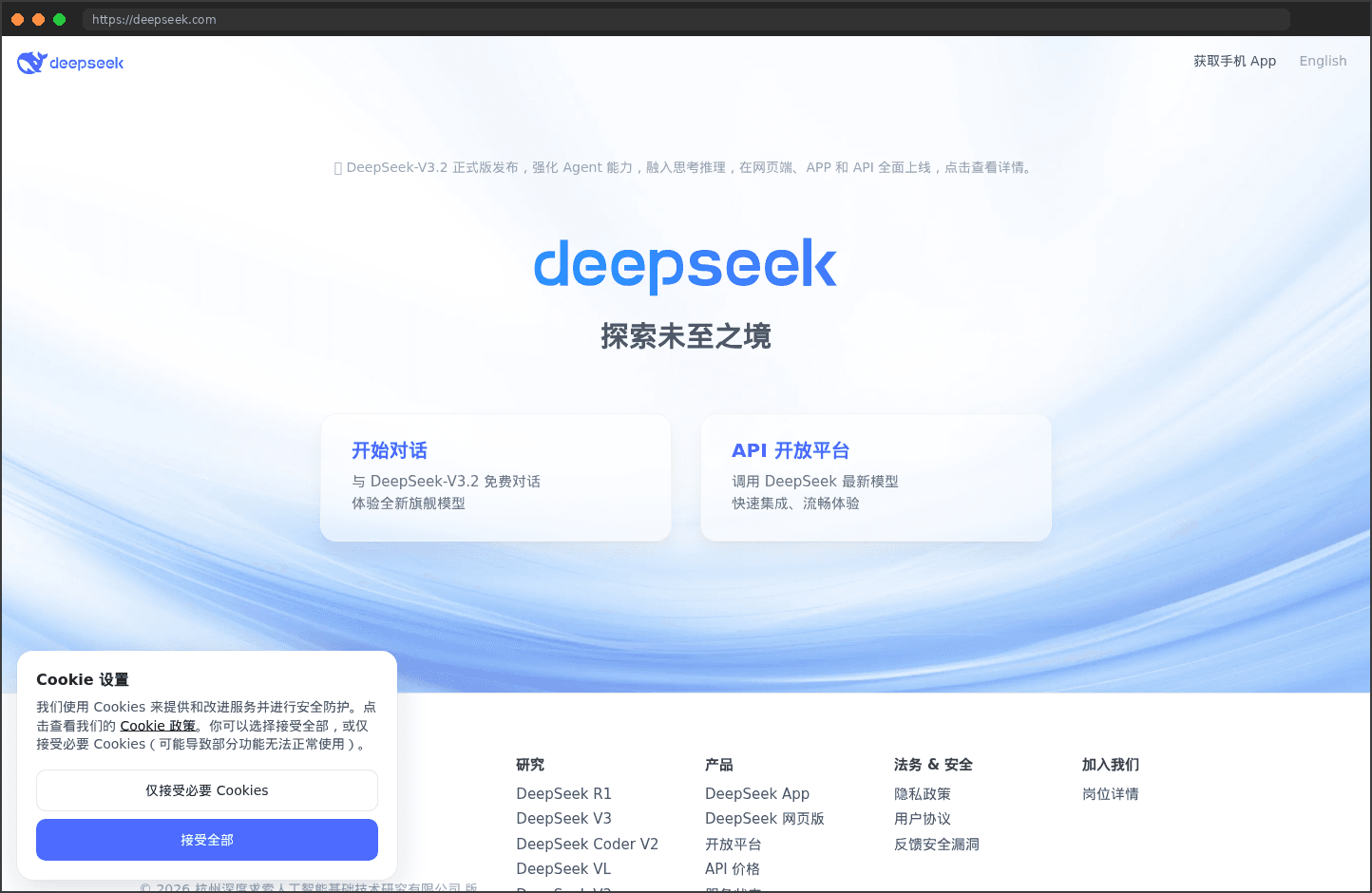
DeepSeek emerged in 2025 as a high-performance, open-source AI model with API costs significantly below OpenAI and Anthropic — making it compelling for technical teams building AI-powered applications at scale.
Key Features
Competitive reasoning and coding performance at substantially lower API cost. Open-source model available for self-hosting. Strong performance on structured data and analytical tasks.
Strengths
API pricing is a fraction of OpenAI and Anthropic — significant cost savings for high-volume applications. Open-source availability allows self-hosting for full data sovereignty. Competitive benchmark performance on reasoning and coding tasks.
Weaknesses
Writing quality and instruction-following trail Claude and ChatGPT significantly. Smaller ecosystem and community support. Data privacy concerns for teams using hosted Chinese infrastructure.
Best for: Engineering teams building AI applications where API cost is a significant factor; organisations that need self-hosted models for data sovereignty reasons.
Frequently Asked Questions
Which AI is best for business in 2026 — ChatGPT, Claude, or Gemini?
There is no single best AI for all business use cases. Claude leads on writing quality and document processing. ChatGPT wins on ecosystem integrations and overall versatility. Gemini is the best choice for teams embedded in Google Workspace and for multimodal tasks. Most businesses benefit from using two of the three rather than committing to just one. All three cost the same ($20/month pro tier), so choose based on your primary use case, not price.
Is Claude better than ChatGPT for content writing?
For professional writing, Claude consistently outperforms ChatGPT. Independent testing shows Claude produces tighter, less "AI-sounding" prose, follows multi-constraint writing instructions more precisely, and maintains brand voice consistency more reliably. For quick drafts where quality is less critical, ChatGPT is faster and more versatile. For content that requires precise instruction-following and polished output, Claude is the better choice.
Which AI has the largest context window?
Gemini 3.1 Pro has the largest context window at 1 million tokens, followed by Claude at 200,000 tokens and ChatGPT at 128,000 tokens. For processing entire codebases, lengthy contracts, or large document collections, Gemini's 1M window is unmatched.
Can I use ChatGPT, Claude, and Gemini together?
Yes — and most professional teams do. A common setup is Claude Pro for writing and document work, ChatGPT Plus for tool integrations and voice mode, and Gemini free tier for Google Workspace tasks. The combined cost of Claude + ChatGPT ($40/month) covers 95% of business use cases.
What AI platform should B2B marketing teams use?
For general productivity and content creation, Claude is the strongest choice for writing quality. ChatGPT is better for teams that need broad integrations with CRMs and marketing tools. For building AI search visibility and getting cited in AI-generated answers, dedicated GEO platforms like Answermaniac.ai provide a specialised layer that general-purpose AI assistants are not designed to address.
About Geeky Expert
Geeky Expert is a leading provider of research and insights, dedicated to helping businesses make informed decisions through comprehensive analysis.