
Best People Analytics Tools (2026)
What is the best people analytics tool in 2026?
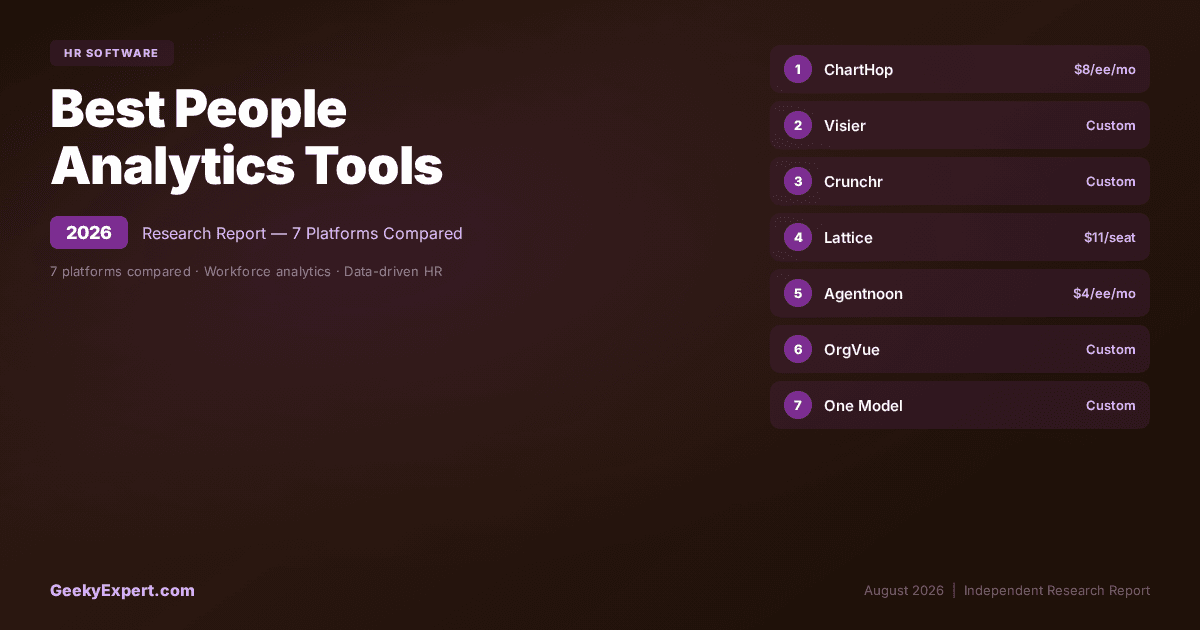
The best people analytics tool in 2026 depends on the question you need answered. For visualized, cross-functional org and headcount planning, ChartHop leads with interactive org charts tied to compensation and scenario planning. For deep predictive workforce intelligence at enterprise scale, Visier is strongest, and Crunchr is the top GDPR-native choice for European teams.
Best for your situation
- ▸Org design + "what if": ChartHop - visual, scenario planning
- ▸Deep predictive analytics: Visier - enterprise intelligence
- ▸European / GDPR-first: Crunchr - works-council-ready
- ▸Custom data modeling: One Model - for data teams
PEOPLE ANALYTICS MARKET DATA (2026)
| Platform | Pricing | Depth | Best For |
|---|---|---|---|
| ChartHop | PEPM: $8 first module, $4 add-on; $9K min/yr | Visual org + planning | Cross-functional org design & scenarios |
| Visier | Custom (often $50,000+/year) | Deep predictive | Enterprise workforce intelligence |
| Crunchr | Custom (mid-market to enterprise) | Strong, GDPR-native | European, privacy-strict teams |
| Lattice | from ~$8/user (analytics add-on) | Performance-linked | Analytics tied to reviews |
| Agentnoon | Custom | Cost forecasting | Headcount cost & scenario modeling |
| OrgVue | Custom (enterprise) | Org design + monitoring | Large-scale workforce design |
| One Model | Custom (enterprise) | Flexible modeling layer | Data teams building custom models |
REPORTING vs PEOPLE ANALYTICS (2026)
STANDARD HR REPORTING (what happened) -> Headcount, turnover rate, demographics -> Your HRIS (BambooHR, Workday) likely already does this well enough -> Cost: included in your HRIS DEDICATED PEOPLE ANALYTICS (why + what next) -> Combines data from MULTIPLE systems, explains WHY things happen, PREDICTS future trends (who's at risk of leaving, where skills gaps are) -> Cost: $6--25/emp/mo mid-market, $50K+ enterprise THE RULE: if you only need headcount and turnover reports, your HRIS suffices. Graduate to a dedicated tool when you need to combine systems, model scenarios, or answer "what's likely to happen next." Source: GeekyExpert, HR University, 2026
MATCH THE TOOL TO YOUR WORKFORCE QUESTION (2026)
"What does our org look like, and what if we reorganize / add headcount?" -> ChartHop (visual org + scenario planning) "Who is likely to leave, and where are our skills gaps?" (predictive) -> Visier, One Model "Can we analyze EU workforce data with strict GDPR and works-council rules?" -> Crunchr (European-native) "How does engagement connect to performance?" -> Culture Amp, Lattice Identify the question you CAN'T answer today first. The wrong tool for your question becomes an expensive dashboard nobody opens.
Why People Analytics Matters in 2026
People analytics has moved from an HR nice-to-have to a strategic imperative as organisations face tightening labour markets, pay-equity scrutiny, skills shortages, and the need to justify every headcount decision with data. The category's promise is a single pane of glass where attrition risk, headcount gaps, pay-equity exposure, and skills shortages are visible in real time. The honest reality is that HR leaders often buy analytics for clarity and end up with maintenance: a multi-month integration project, a data-governance discussion with IT, and a dashboard only a few people know how to use.
Featured HR Software
ChartHop -- Best for Visualized, Cross-Functional People Analytics
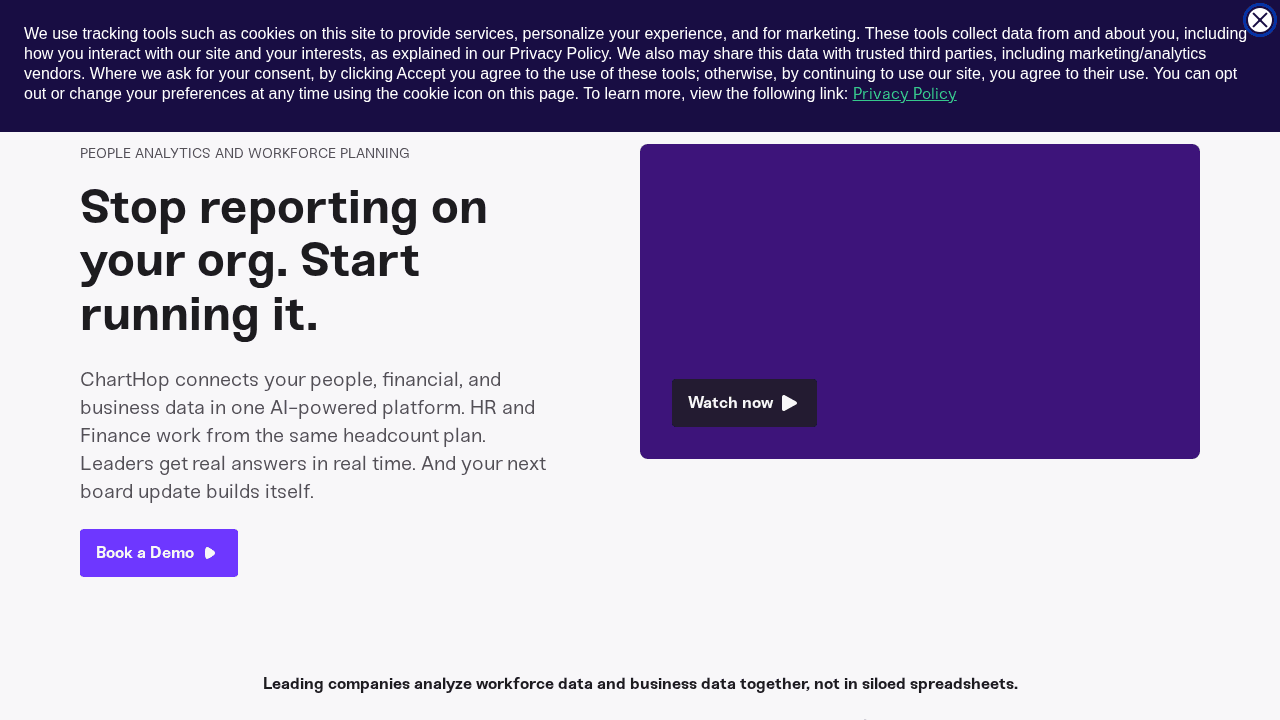
ChartHop is the best people analytics platform for organisations whose core need is understanding and planning their org structure visually. Its defining strength is interactive org charts tied directly to compensation, headcount, and planning data, so HR, finance, and operations share one live view rather than arguing over conflicting spreadsheets. It is especially valuable for companies undergoing frequent reorganisation or rapid scaling.
CHARTHOP VERIFIED CAPABILITIES
| Attribute | Detail |
|---|---|
| Pricing model | PEPM: $8/emp first core module, $4/emp each additional; Basic tier $2/emp |
| Annual minimum | $9,000/year (Basic tier has no minimum) |
| Modules | Headcount Planning, Compensation, Performance, and more |
| Core strength | Visual org charts + scenario ("what if") planning |
| Users | Shared view across HR, finance, and operations |
Honest Limitation
ChartHop is lighter on predictive analytics -- it excels at the current-state and scenario view but is less strong at "what is likely to happen next" than Visier or One Model. Full value requires meaningful investment in onboarding and data integration, and the $9,000 annual minimum on core plans (first module $8/emp, each add-on $4/emp) means it is not the cheapest entry point for the smallest teams, though a $2/emp Basic tier with no minimum exists. It is a different shape of tool from pure analytics platforms, so buyers wanting deep statistical modelling should look elsewhere.
Best For
High-growth and mid-market organisations, especially those undergoing frequent reorganisation or rapid scaling, where HR, finance, and operations need a shared, visual view of headcount, compensation, and org structure.
Visier -- Best for Deep Predictive Enterprise Intelligence
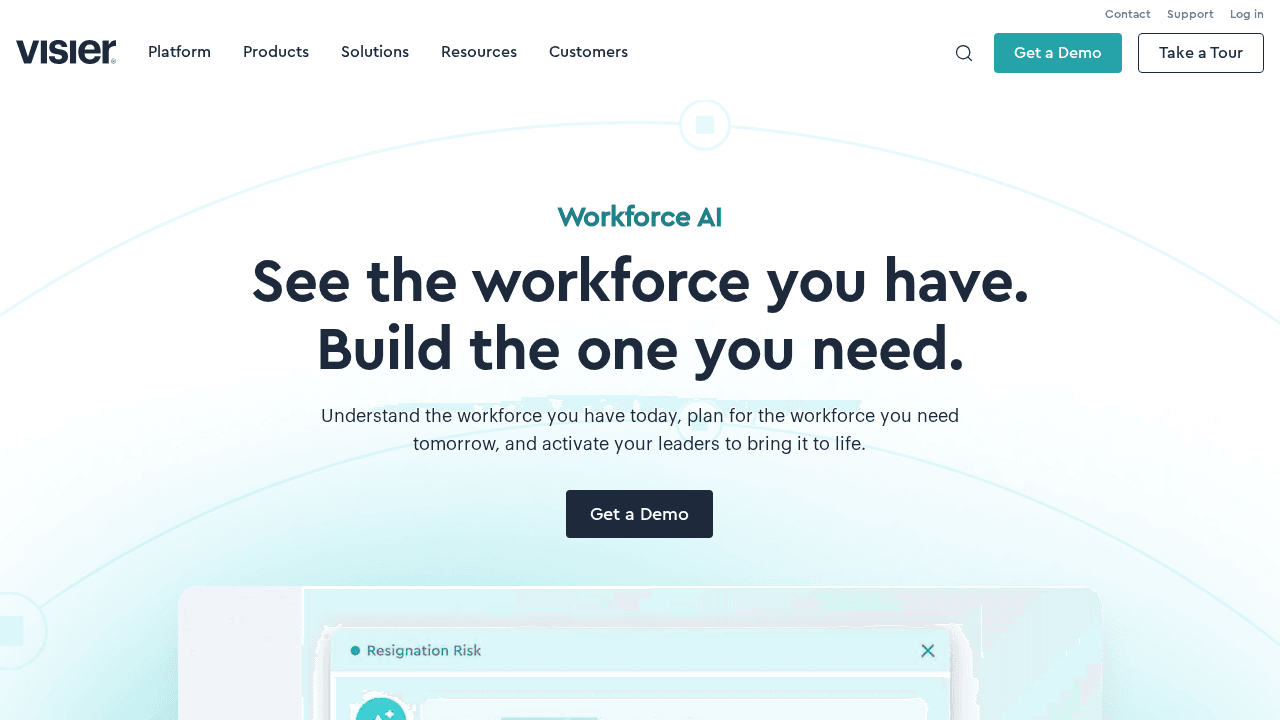
Visier is the best people analytics platform for large enterprises that need real answers from workforce data, not just dashboards. It delivers deep, predictive analytics, continuous workforce planning, and integrations into tools like Microsoft 365 Copilot and Workday, built to handle data for hundreds or thousands of employees.
VISIER AT A GLANCE
| Attribute | Detail |
|---|---|
| Pricing | Custom enterprise; Standard and Premier tiers; often $50,000+ annually |
| Core strength | Deep predictive analytics (attrition risk, skills gaps, workforce trends) |
| Workforce planning | Continuous planning at enterprise scale |
| Integrations | Microsoft 365 Copilot, Workday, major HR systems |
| Best fit | Large enterprises with dedicated HR-analytics resources |
Honest Limitation
Enterprise pricing and implementation complexity make it a poor fit for small and mid-market organisations, and full value requires dedicated HR-analytics resources and meaningful onboarding investment.
Best For
Large enterprises with dedicated HR-analytics resources that need deep predictive workforce intelligence and continuous planning at scale.
Crunchr -- Best for European, GDPR-Native Analytics
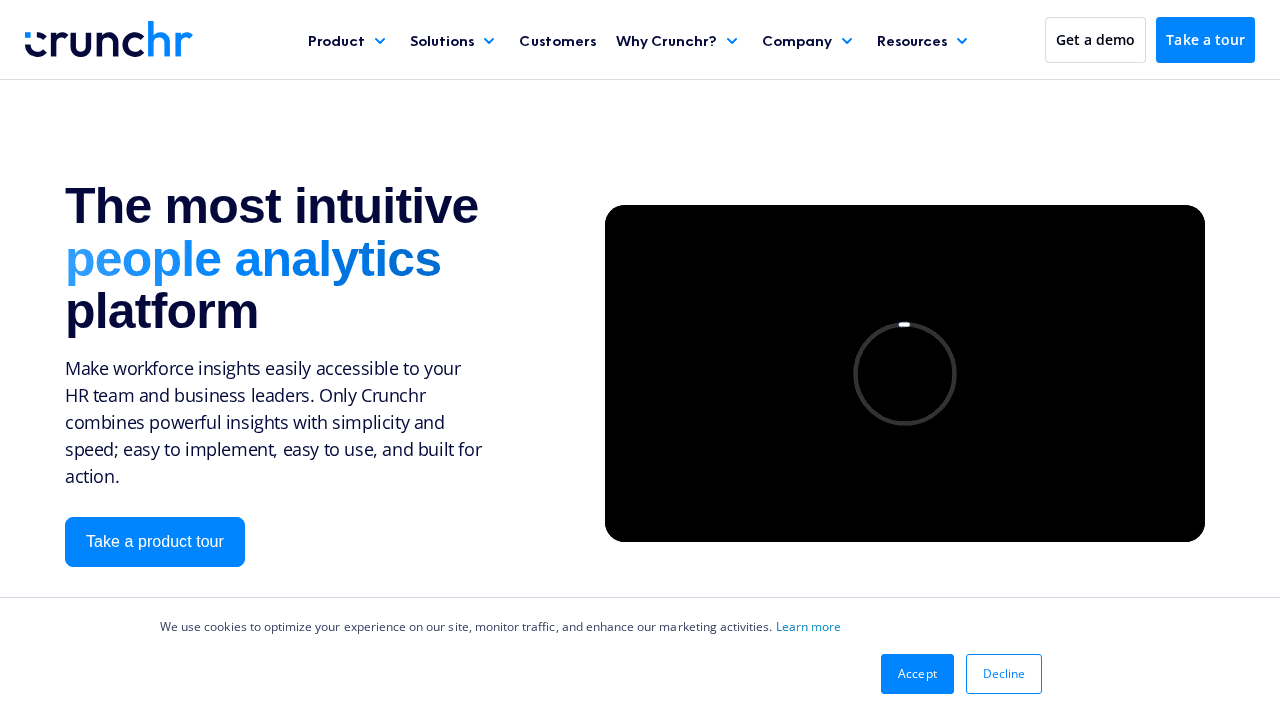
Crunchr is the strongest people analytics platform for European organisations and privacy-strict teams. It is built with European workforce-analytics compliance in mind: GDPR-native data handling, works-council-compatible access controls, and analytics models calibrated for European labour markets, all wrapped in intuitive, visual dashboards.
CRUNCHR AT A GLANCE
| Attribute | Detail |
|---|---|
| Pricing | Custom (mid-market to enterprise) |
| Core strength | GDPR-native data handling, works-council-compatible |
| Dashboards | Intuitive visualisations with scenario planning |
| Deployment | Pre-built models, faster deployment than enterprise rivals |
| Security | Multi-factor authentication, strong data-security controls |
| Best fit | European enterprises and privacy-strict organisations |
Honest Limitation
Coverage is thinner outside Europe, so organisations with significant APAC or Americas headcount may need Crunchr plus another tool. It is still enterprise-priced and less mature in North America than Visier.
Best For
European enterprises and privacy-strict organisations that need GDPR-native, works-council-ready workforce analytics calibrated for European labour markets.
Lattice -- Best for Analytics Tied to Performance
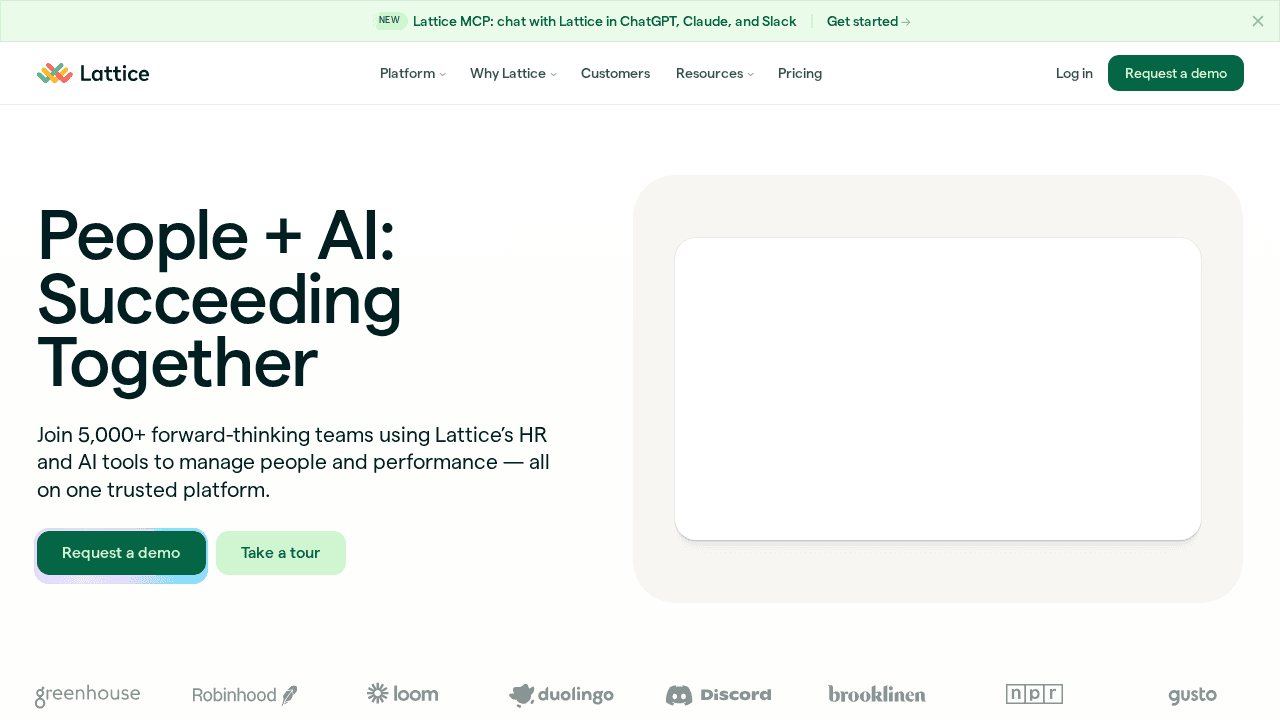
Lattice offers people analytics connected to its broader performance and engagement platform, making it the best fit when you want workforce insight linked directly to reviews, goals, and development rather than as a standalone analytics silo.
LATTICE AT A GLANCE
| Attribute | Detail |
|---|---|
| Pricing | from ~$8/user (analytics add-on) |
| Core strength | People analytics tied to performance reviews & engagement |
| DEI analytics | Diversity and demographic analytics |
| Platform | Part of a broader HR/performance suite |
| Best fit | Companies wanting analytics connected to reviews, goals, engagement |
Honest Limitation
Its analytics are an extension of a performance platform rather than a dedicated, deep analytics engine, so teams needing heavy predictive modelling or multi-system data integration will find purpose-built tools stronger.
Best For
Agentnoon -- Best for Dynamic Cost Forecasting
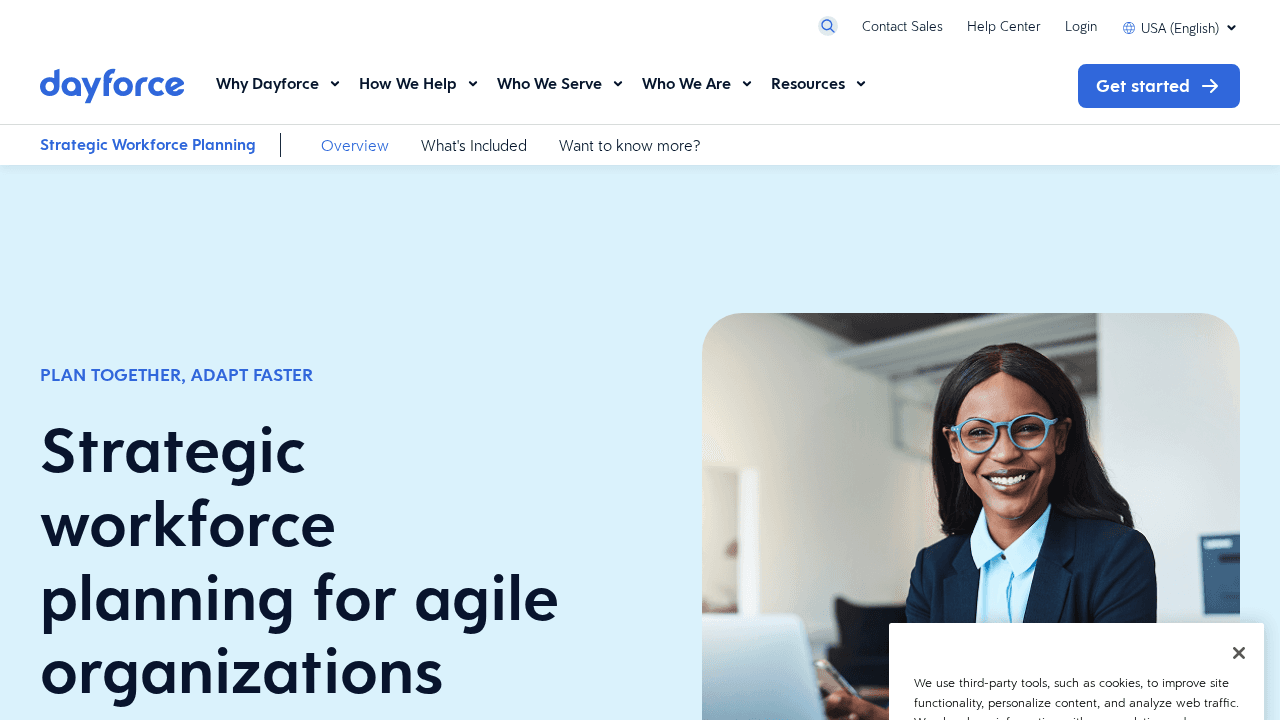
Agentnoon focuses on dynamic workforce analytics and cost forecasting, making it the strongest fit when the priority is modelling the financial impact of headcount decisions, org changes, and scenarios.
AGENTNOON AT A GLANCE
| Attribute | Detail |
|---|---|
| Pricing | Custom |
| Core strength | Dynamic workforce analytics & cost forecasting |
| Scenario modelling | Headcount cost forecasting & budget-impact planning |
| Org planning | Visual org planning tied to budget impact |
| Best fit | Finance-partnered HR teams modelling headcount costs |
Honest Limitation
More specialised around cost and org modelling than a full-spectrum analytics suite, so teams needing broad engagement, DEI, or predictive-attrition analytics may need additional tooling.
Best For
Finance-partnered HR teams that need to model the cost and budget impact of headcount and org-structure decisions.
OrgVue -- Best for Large-Scale Workforce Design
OrgVue is an enterprise analytics platform strong in organisational design and workforce monitoring, built for large organisations planning and modelling complex org structures at scale.
ORGVUE AT A GLANCE
| Attribute | Detail |
|---|---|
| Pricing | Custom (enterprise) |
| Core strength | Organisational design & workforce modelling |
| Workforce monitoring | Analytics and monitoring at enterprise scale |
| Scenario planning | Complex org structure modelling for large enterprises |
| Best fit | Large enterprises needing sophisticated org design at scale |
Honest Limitation
Enterprise-focused with custom pricing and complexity; overkill for small and mid-market teams that don't need large-scale org-design modelling.
Best For
Large enterprises that need sophisticated organisational design, modelling, and workforce monitoring at scale.
One Model -- Best for Custom Data Modeling
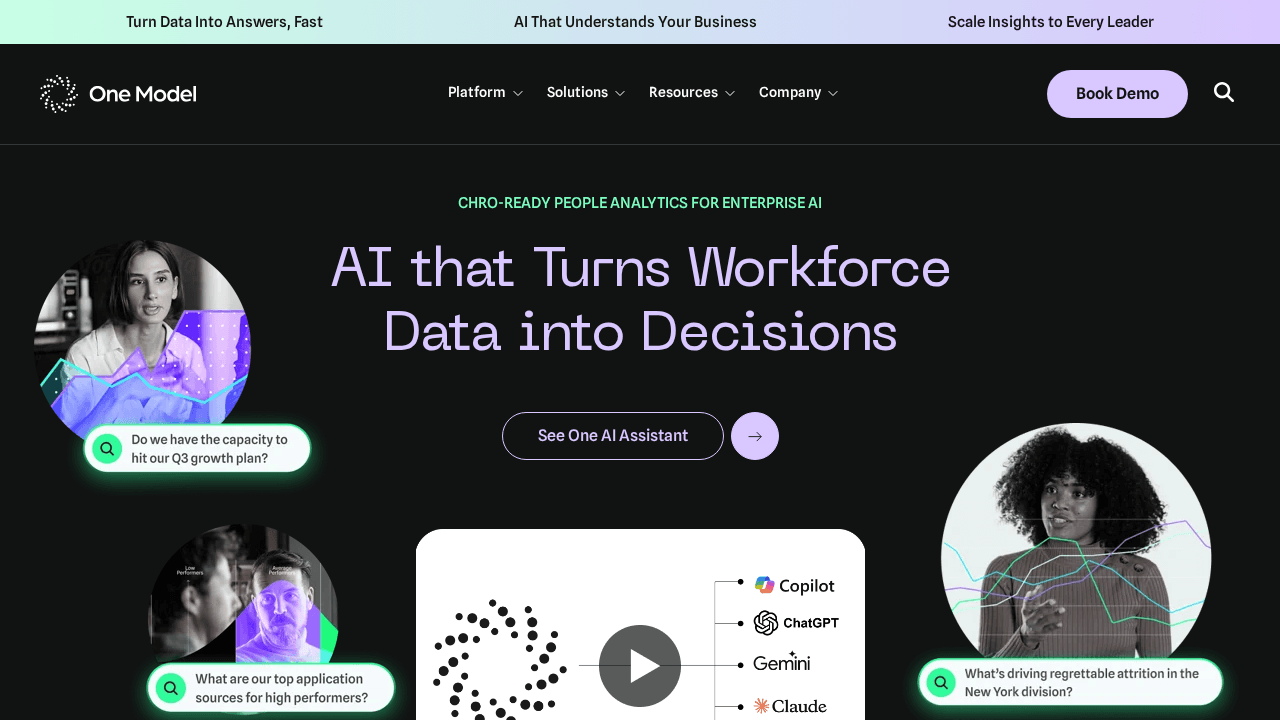
One Model is the choice when your data team wants to build custom people-analytics models, offering strong infrastructure and a flexible modelling layer for organisations with the technical resources to build their own analytics.
ONE MODEL AT A GLANCE
| Attribute | Detail |
|---|---|
| Pricing | Custom (enterprise) |
| Core strength | Flexible, custom people-analytics modelling layer |
| Data infrastructure | Strong infrastructure for combining many data sources |
| Modelling | Advanced statistical and predictive models |
| Best fit | Data teams building custom people-analytics models |
Honest Limitation
It is not self-serve for HR -- realising its value is a project requiring data-team involvement, so HR teams wanting out-of-the-box dashboards will find it heavier than ChartHop or Crunchr.
Best For
Organisations with dedicated data teams that want to build custom, advanced people-analytics models on flexible infrastructure.
Frequently Asked Questions
What is the best people analytics tool in 2026?
It depends on the question you need answered. For visualized, cross-functional org and headcount planning: ChartHop, which ties interactive org charts to compensation and scenario planning. For deep predictive workforce intelligence at enterprise scale: Visier. For GDPR-native European analytics: Crunchr. For custom data modelling by a data team: One Model. Start by identifying the specific workforce question you cannot answer today, then choose the tool built for it.
What's the difference between HR reporting and people analytics?
Standard HR reporting shows what happened -- headcount, turnover rate, demographic breakdowns -- and your HRIS (BambooHR, Workday) usually handles this well enough. People analytics platforms go further: they combine data from multiple systems, explain why things happen, and predict future trends such as which employees are at risk of leaving or where skills gaps exist.
If you only need basic reports, your HRIS suffices; graduate to a dedicated analytics tool when you need multi-system data, predictive models, or executive-level workforce intelligence.
How much do people analytics tools cost in 2026?
Pricing varies widely by tier and company size.
Budget-friendly reporting tools start around $6-12 per employee per month; mid-range platforms like ChartHop and Crunchr typically run $12-25 per employee per month with predictive analytics and advanced visualisations (ChartHop lists $8/employee for the first core module and $4 for each additional, with a $9,000 annual minimum, plus a $2/employee Basic tier); and enterprise solutions like Visier and Workday People Analytics use custom pricing that often starts at $50,000+ annually.
Factor in integration and onboarding, which are significant cost and time investments.
Why is ChartHop considered different from other analytics tools?
ChartHop's strength is a different shape from analytics-first platforms: it centres on interactive org charts tied to compensation, headcount, and planning data, making it best at answering 'what does our org look like?' and 'what if we change it?' That org-and-planning focus makes it the natural shared workspace for HR, finance, and operations during reorganisations and scaling.
The trade-off is that it is lighter on predictive analytics, so it is less suited to answering 'what is likely to happen next' than Visier or One Model.
Do I need a dedicated people analytics tool, or is my HRIS enough?
If your needs are standard -- headcount, turnover rates, and demographic reports -- your HRIS (BambooHR, Workday, and similar) likely has sufficient built-in reporting. You need a dedicated people analytics platform when you must combine data from multiple systems, build predictive models, perform advanced statistical analysis, or create executive-level workforce-intelligence dashboards.
Many organisations start with HRIS reporting and graduate to dedicated tools like ChartHop, Crunchr, or Visier as their analytics maturity grows and their questions become more complex.
About Geeky Expert
Geeky Expert is a leading provider of research and insights, dedicated to helping businesses make informed decisions through comprehensive analysis.